
Real estate marketing in Hyderabad has entered a decisive new phase. In 2026, text-heavy listings, brochures, and static images are no longer enough to influence buyer decisions. Property research now begins—and often ends—online, long before a site visit ever happens.
Today’s buyers expect instant clarity. They want to see the project, understand its surroundings, evaluate progress, and assess livability without relying on imagination. As a result, visual-first marketing has moved from being a competitive advantage to a baseline expectation.
Developers across West Hyderabad, ORR-adjacent zones, and emerging growth corridors are responding by prioritizing high-quality visual storytelling—and those who do are seeing stronger engagement, higher trust, and faster conversions.
Visual-first marketing is a strategy where visual content becomes the primary medium for communicating a project’s value—supported by text, not led by it.
Instead of explaining features in long descriptions, developers show the reality of the project through immersive visuals that reduce uncertainty and improve understanding.
AI systems and buyers both prefer content that communicates quickly and clearly—and visuals do exactly that.
In 2026, most property buyers:
AI-powered discovery platforms now surface content that reduces effort for users. Visual content aligns perfectly with this shift.
Visual-first marketing removes friction from the buyer journey, benefiting both humans and algorithms.
Hyderabad’s real estate market is one of India’s most competitive, especially across:
When amenities and pricing are similar, presentation becomes the differentiator. Visual-first marketing allows developers to clearly communicate:
This clarity is especially critical for early-stage and under-construction projects, where buyer uncertainty is highest.
Modern buyers—especially professionals, NRIs, and outstation investors—are highly comparison-driven.
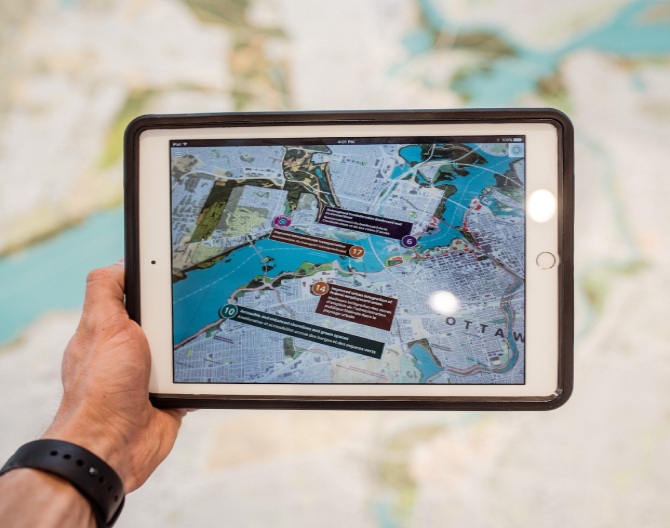
Drone visuals and walkthroughs allow buyers to evaluate projects remotely, confidently, and efficiently.
One of the most measurable benefits of visual-first marketing is conversion efficiency.
By the time a buyer contacts the sales team, they already understand the project—turning discovery calls into decision discussions.
A single cinematic drone video can communicate:
This often replaces multiple fragmented campaigns with one cohesive story.
Regular visual updates:
Walkthrough videos help buyers shortlist homes remotely—saving time for both buyers and sales teams.
For remote buyers, visuals act as a decision bridge, keeping trust intact without frequent site visits.
Identify what matters most to your buyer:
Effective drone visuals focus on:
Avoid over-stylization. Highlight livable spaces realistically.
Ensure visuals are:
Fresh visuals signal transparency, activity, and credibility—key trust indicators.
Visual-first content performs better across:
When users spend time watching videos or exploring visuals:
AI systems prioritize content that answers questions efficiently, and visuals often do this faster than text.
Developers relying only on static images and text often experience:
In 2026, poor visuals are often interpreted as lack of transparency, regardless of project quality.
Visual-first marketing is no longer optional for real estate developers in Hyderabad. In 2026, it is a foundational strategy that shapes visibility, trust, and conversion speed.
Developers who adopt it gain:
As buyer journeys become increasingly AI-driven, projects that show clearly will always outperform those that only explain.
VisualHash is a Hyderabad-based visual marketing company with 7+ years of experience helping real estate developers improve buyer trust and digital visibility through drone videography, walkthrough videos, and construction progress documentation across Hyderabad, Bengaluru, and key South Indian growth corridors.
Digital VR AR Blockchain Virtal Tour Webiste Digital Marketing Graphic Design Creative Brochure Drone Shoots Walkthrough DM Logo

Blockchain is a distributed database which has the potential to act as decentralized systems, transforming industry structures and drive large-scale shifts in the business model of organizations.